

What CDL and Commercial Vehicle Drivers Need to Know
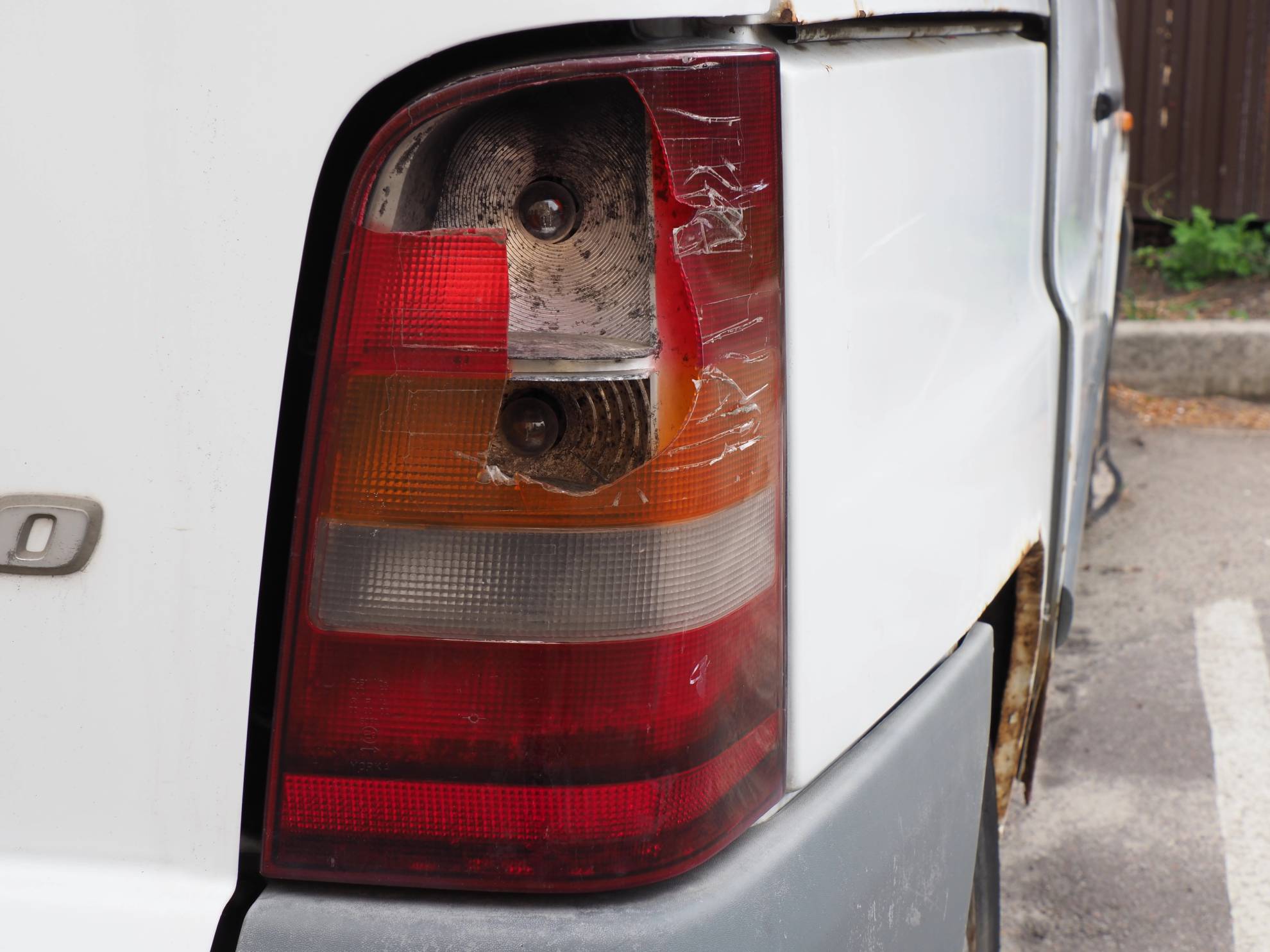
A “defective equipment” ticket in Taylor is typically issued under MCL 257.683, which prohibits operating a motor vehicle that is “defective or unsafe” or that does not contain equipment required under the Michigan Vehicle Code. This statute is broad and includes conditions that render the vehicle unsafe or out of compliance with required safety standards—brakes, lighting, tires, coupling devices, mirrors, wipers, and more.
For commercial motor vehicles, these issues also intersect with federal regulations, including 49 CFR Part 393 (Parts & Accessories Necessary for Safe Operation) and 49 CFR Part 396 (Inspection, Repair & Maintenance). A single violation under Michigan law can correspond to multiple FMCSA violations if discovered during a roadside or scale inspection.
Common Scenarios Leading to a Defective Equipment Ticket
In Taylor, defective equipment citations often arise during:
-
Routine traffic stops where the officer notices a missing or inoperative light, damaged mud flaps, cracked windshield obstructing vision, or an obvious mechanical deficiency.
-
Commercial vehicle inspections within the Downriver region, where MDOT and local agencies regularly conduct roadside operations.
-
Post-accident investigations when a mechanical deficiency may have contributed to the incident.
Officers commonly issue this citation when the defect is visible, audible, or reported by the driver.
Civil Infraction Classification
A defective equipment violation under MCL 257.683 is a civil infraction for most issues unless the condition is so severe that the officer believes the vehicle poses an immediate danger. The statute allows law enforcement to order the vehicle off the roadway until repairs are made. In severe cases—especially involving commercial vehicles—drivers may also face an out-of-service order under federal criteria.
Because this is a civil infraction, jail is not a penalty. Fines are set locally, and the law does not impose driver’s license points for a basic defective equipment citation unless another statute with specific point assessments is involved.
Consequences for Non-CDL Drivers
For everyday motorists, a defective equipment citation in Taylor typically results in:
A fine and costs assessed by the 23rd District Court.
No driver’s license points for a standard violation under MCL 257.683.
Insurance impact varies; while often neutral, multiple violations may suggest poor maintenance habits.
Although less severe than a moving violation, repeated equipment issues may raise concerns with insurers.
Enhanced Consequences for CDL Holders and Commercial Vehicle Operators
1. FMCSA CSA Severity Weights
Even if Michigan treats defective equipment as a low-level infraction, the same defect noted during a roadside inspection can generate CSA points. Severity weights vary depending on the violation—such as inoperative brake lamps, defective tires, or missing emergency equipment—and may significantly affect a carrier’s Vehicle Maintenance BASIC score.
2. PSP Record
The violation may appear in the driver’s Pre-Employment Screening Program (PSP) record. PSP entries remain visible for 3 years for drivers and 5 years for carriers.
3. Out-of-Service Risks
If the defect meets CVSA out-of-service criteria, an inspector may legally prohibit further operation until repairs are completed. Out-of-service violations are highly damaging in terms of CSA impact.
4. Employer Disciplinary Action
Most carriers enforce maintenance and inspection policies. A defective equipment citation—especially for an issue that should have been caught during a required pre-trip inspection under 49 CFR 396.13—can result in corrective action, loss of bonuses, or termination depending on the company.
5. Impact on Future Employment
A history of equipment violations indicates poor inspection habits, which may discourage employers concerned about safety scores.
How Taylor’s 23rd District Court Handles These Cases
The 23rd District Court, serving the City of Taylor, handles a high volume of commercial traffic due to nearby freight corridors including I-94, I-75, Telegraph, and Downriver industrial routes. Judges and prosecutors understand the federal implications for CDL drivers.
The court is often open to:
Reviewing repair receipts
Considering a reduced or amended violation if the defect was promptly corrected
Negotiating when safety was not materially compromised
The most important factor is whether the defect was quickly repaired and how severe it was from a safety perspective. Presenting documentation and showing proactive responsibility is highly effective.
Practical Next Steps if You Received This Ticket in Taylor
1. Fix the defect immediately.
Bring the vehicle into compliance with Michigan and federal standards.
2. Document the repair thoroughly.
Save invoices, photos, DVIR entries, maintenance logs, and inspection forms.
3. Obtain a legal evaluation before paying the ticket.
CDL drivers should never pay without understanding CSA and PSP consequences.
4. Check for accompanying FMCSA inspection violations.
Even if the court dismisses the citation, parallel federal violations may still be recorded.
5. Appear or have counsel appear in the 23rd District Court.
An attorney familiar with Taylor’s court can often secure a more favorable resolution protecting your CDL and federal safety profile.
A defective equipment citation may seem minor, but for commercial drivers it can have significant CSA and employment impacts. Fixing the defect promptly and approaching the case strategically—with the help of legal counsel when appropriate—can protect long-term driving and safety records.