
What CDL and Commercial Vehicle Drivers Need to Know
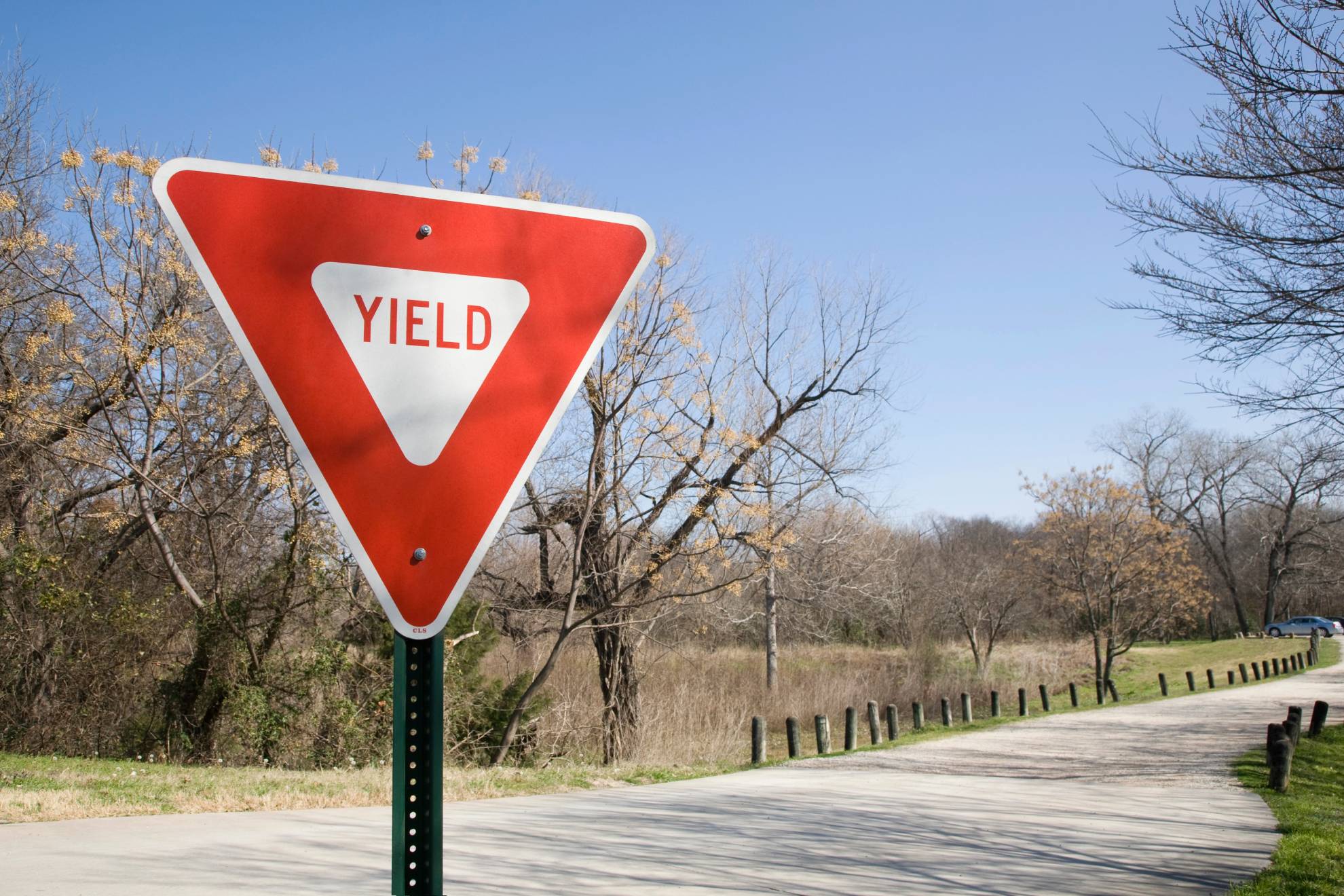
Michigan treats failure-to-yield violations seriously, especially when a heavy truck or commercial motor vehicle is involved. In Taylor, these tickets are written under the Michigan Vehicle Code and prosecuted at the 23rd District Court, the local court with jurisdiction over traffic infractions that occur within city limits.
ℹ️ What the Violation Means Under Michigan Law
Michigan has several statutes governing right-of-way. The most commonly charged sections in a typical “failure to yield” citation include:
- MCL 257.649 – Governs when a driver must yield the right-of-way, including at intersections and when entering a roadway.
- MCL 257.650 – Governs left turns and yielding to oncoming traffic.
- MCL 257.652 – Covers right-of-way when entering a highway from a private road or driveway.
- MCL 257.671 – Covers obedience to traffic control devices indicating when a driver must yield.
A failure-to-yield ticket is a civil infraction under Michigan law, not a misdemeanor, unless the conduct results in a crash causing injury or death; in those rare cases, enhanced or criminal charges may apply under different statutes such as MCL 257.601d. For a standard stop in Taylor with no injury, it remains a civil infraction.
📄 Common Scenarios That Lead to This Ticket
For truck drivers, several fact patterns frequently result in citations:
- Entering Telegraph Road or I-94 service drives without fully yielding to traffic already in the lane.
- Misjudging gap acceptance when turning left at busy Taylor intersections such as Eureka, Allen, or Goddard.
- Failing to yield during lane-change maneuvers when merging a tractor-trailer into moving traffic.
- Rolling into an intersection from a stop sign without waiting for smaller, faster-moving vehicles.
Taylor police frequently note “failure to yield – accident” when a collision occurs. Even if property damage is minimal, the legal consequences for a CDL holder can be significant.
🚗 Consequences for Non-CDL Drivers
Because the violation is a civil infraction, the court may impose a fine and assess driver’s license points under the Michigan Secretary of State’s point schedule. Failure-to-yield violations generally carry two or three points, depending on the specific subsection charged. Michigan’s point system is administrative, separate from the court, and influences insurance premiums. The Secretary of State also records the violation on the driver’s master driving record.
🚚 CDL-Specific and FMCSA-Related Consequences
- CSA/PSP Impact: A failure-to-yield violation recorded on a CDL holder’s Motor Vehicle Record (MVR) can appear in the FMCSA Pre-Employment Screening Program (PSP). If the citation is associated with a crash, the related data can also affect CSA Crash Indicator scores for the motor carrier.
- Employer and Insurance Review: Carriers reviewing MVRs often treat right-of-way violations as preventable errors, affecting driver retention, internal safety rankings, or eligibility for certain accounts.
- Serious Traffic Violations: Failure to yield is not classified as a “serious traffic violation” under 49 CFR §383.51 by itself. However, if the conduct involves an improper lane change or results in a crash that triggers other citations, the combination can create more serious regulatory consequences.
- Roadside and DOT Inspections: A documented moving violation can contribute to a carrier’s overall risk profile, which may increase the likelihood of more frequent roadside inspections under the FMCSA’s safety management algorithms.
📍 How the 23rd District Court in Taylor Handles These Cases
Taylor’s traffic docket routinely includes commercial drivers cited while operating through the I-94 and Telegraph corridors. As a civil infraction, the case begins with a choice: admit responsibility, admit responsibility with explanation, or request a hearing. CDL drivers almost always benefit from requesting a formal or informal hearing. In many cases, it is possible to negotiate for:
- A reduction to a no-point or lower-risk offense, or
- An amendment to a non-moving violation when supported by the facts.
Judges and magistrates in this court understand the consequences these tickets can have for professional drivers, but they still require a proper legal and factual basis to offer any modification.
🛑 Practical Next Steps for Truck Drivers
A CDL driver cited in Taylor should promptly review the exact statute listed on the ticket, because the specific subsection determines both the points and the legal options available. Preserving a clean MVR is essential, so timely action—before the default deadline—matters. Gathering dash-cam footage, driver logs, shipper/receiver time-stamps, and any witness information can provide leverage during negotiations or a contested hearing.
Legal representation is especially valuable for drivers who cannot appear in Taylor due to over-the-road schedules. An attorney can appear on your behalf, challenge whether the officer can prove right-of-way conditions, and seek a disposition that avoids damage to your commercial record.
A failure-to-yield ticket may look routine, but for a Michigan CDL holder, the long-term safety and employment implications make it worth handling strategically. A proactive defense can often prevent a minor traffic stop in Taylor from turning into a lasting mark on your driving career.