
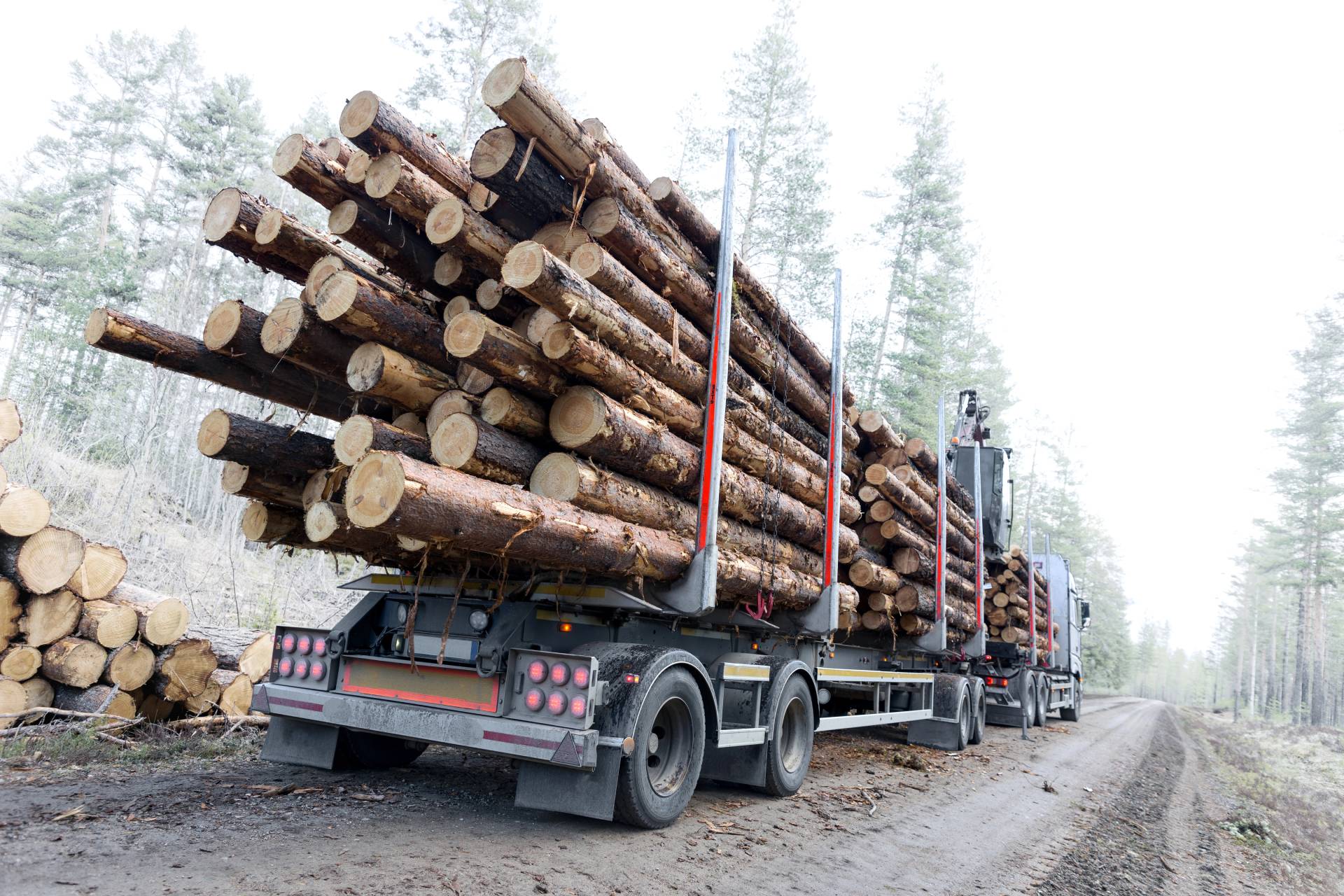
In Michigan, vehicle and combination length limits are governed primarily by MCL 257.719. The statute establishes maximum lengths for various commercial vehicle configurations operating on public roadways. A vehicle, trailer, semitrailer, or combination that exceeds these statutory limits without proper authorization (such as a valid oversize permit issued by MDOT or, for local roads, the local road authority) may be cited for an overlength violation.
📄 Key state rules, summarized in plain language:
- Semitrailers generally may not exceed 53 feet in overall length when operating on designated highways, subject to certain measurement methods recognized under Michigan law.
- Truck-tractor/semitrailer combinations have allowable overall lengths depending on configuration, but Michigan does not impose a maximum overall length for a truck tractor/semitrailer combination on most designated routes; however, overlength issues often arise for non-designated routes within city limits.
- Double trailers (tandem or twin trailers) have specific length requirements for each trailer under MCL 257.719.
- On local roads, including those within the City of Taylor, restrictions may differ from state trunkline rules. Local authorities may prohibit or restrict lengths if necessary for safety and infrastructure protection.
Overlength citations most often occur because the route the driver selected was not designated for that vehicle length, or because the vehicle/trailer exceeded the maximum length allowed without a permit.
🚚 Common Scenarios Leading to Overlength Citations in Taylor
Drivers in Taylor, located in Wayne County near major freight corridors like I-94, I-75, and US-24, commonly encounter the following situations:
- Entering local streets with a 53′ trailer where local ordinances or non-designated routes impose shorter limits. Even when a trailer is legal on the state highway system, it may not be legal on the city street used for delivery.
- Operating a long combination vehicle (LCV) without staying on designated routes.
- Not having a valid oversize/overlength permit when required for specific movements.
- Misunderstanding kingpin-to-rear-axle rules and measurement methods, leading to perceived or actual length violations.
Taylor police and commercial vehicle enforcement units regularly monitor industrial areas and approach roads to major warehouses, making measurement-based violations relatively common.
🛑 Civil Infraction Classification
An overlength violation under MCL 257.719 is typically charged as a civil infraction, not a misdemeanor. It does not carry jail exposure. The penalty involves a monetary fine and statutory costs, which vary by district court schedules. The applicable court for a Taylor stop is usually the 23rd District Court.
Michigan’s point system (administered by the Secretary of State) does not assign driver’s license points to most size/weight violations, including overlength, but the citation still becomes part of the driver’s public driving record unless reduced or dismissed.
🚗 Possible Consequences for Non-CDL Drivers
For everyday motorists towing oversized trailers, the primary consequences include:
- A civil fine and court costs.
- A record of the civil infraction appearing on the driving history.
- Potential insurance implications, depending on the carrier’s underwriting rules.
There is no criminal record because the offense is not a misdemeanor.
📊 Additional and More Serious Consequences for CDL Drivers
CSA / FMCSA Implications
- An overlength violation is treated as a vehicle-related violation under FMCSA’s Safety Measurement System (SMS). These violations can add CSA points in the Vehicle Maintenance BASIC if cited during a roadside inspection.
- The citation will appear on the driver’s PSP (Pre-Employment Screening Program) record if written as part of a DOT inspection.
Employer and Insurance Consequences
- Carriers may treat route-compliance violations—including overlength on non-designated routes—as preventable operational violations.
- Repeated violations can affect driver retention, internal safety scoring, and insurance renewals.
Out-of-Service Considerations
- Overlength alone is not an out-of-service condition under the CVSA North American Standard OOS criteria.
- However, if the size creates an unsafe operating condition (for example, severe off-tracking in tight industrial areas), an inspector may restrict movement until the vehicle is brought into compliance or obtain an appropriate permit.
⚖️ How Taylor and Michigan Courts Commonly Handle These Violations
Overlength cases in the 23rd District Court are typically resolved through:
- Negotiations for a reduced or amended civil infraction (often to a non-moving or equipment-related offense that avoids federal reporting impact for CDL drivers).
- Review of route designations to determine whether the officer correctly applied local restrictions.
- Verification of trailer measurements—many alleged violations arise from incorrect measurement technique or misunderstanding of Michigan’s unique combination-length rules.
- Permit verification, especially where a driver possessed a permit but the officer believed it did not apply to the specific route.
Courts are receptive to legal arguments centered on statutory interpretation, route designation evidence, and the distinction between state trunkline allowances and local authority restrictions.
📝 Practical Next Steps for a Driver Cited in Taylor
- Do not automatically pay the ticket. Payment results in a final conviction that may impact employer records and CSA scoring.
- Obtain the exact measurement method used by the officer and note the configuration of the trailer, load, and route.
- Identify whether the road was a state trunkline or a local street. This can determine whether 53′ semitrailers were permitted.
- Contact an attorney experienced in Michigan commercial vehicle defense before your 23rd District Court deadline. Overlength cases often can be negotiated to substantially reduce long-term CDL impact.
- Gather permits, bills of lading, and dispatch instructions, especially if the assigned route or equipment contributed to the alleged violation.
Michigan’s length restrictions are unusually complex compared to other states, and what is lawful on a freeway may not be lawful on a city industrial street. A well-prepared defense in Taylor hinges on understanding both the statutory framework and the local roadway network. A driver who responds proactively and with the right legal guidance stands the best chance of protecting their CDL, their employment, and their safety record.